


How Smart Home Are Shaping the Future of Interior Design: A Guide for Homeowners
In recent years, the concept of smart home has evolved from a futuristic dream into a tangible reality, impacting every aspect of our daily lives, including how we design and interact with our living spaces.
For homeowners planning a renovation or a new build, integrating smart technology is becoming a key consideration.
This guide explores how smart home technology is influencing interior design and what you should consider when planning your next project.
Hi there👋, I’m Jacqueline, founder of The Glade Design! I specialize in residential interior design. Visit my service page for details or email me to chat!
Table of Contents
What’s Changing?
Smart homes are no longer just about having the latest gadgets. They’re about creating an integrated living experience that combines functionality, convenience, and aesthetics. From smart lighting that adjusts based on the time of day to voice-controlled assistants that manage your home’s temperature, security, and entertainment systems, the potential for creating a truly connected home has never been greater.

But how does this affect interior design?
Key Considerations for Homeowners
- Plan for Integration, Not Addition
When planning a renovation or new build, think about smart technology as an integral part of your home’s design rather than an afterthought. This means considering the placement of devices, wiring, and connectivity early in the design process. A well-integrated smart home system is seamless, with technology blending into the design rather than standing out.
- Pre-wiring: Ensure your home is pre-wired for smart devices. This is especially important for larger homes where Wi-Fi coverage might be inconsistent.
- Centralized Control Panels: Plan for a central location to control all smart devices, such as a hidden control panel or a designated space for a smart speaker.
- Aesthetic Harmony with Technology
While smart devices are practical, they should also complement your home’s aesthetics. Consider the design and placement of these devices carefully to ensure they don’t disrupt the visual flow of your space.
- Discreet Designs: Many smart devices come in sleek, modern designs, but sometimes they can still feel out of place. Choose products that align with your interior style, or look for options that can be concealed within the design, like smart thermostats that blend with your wall color.
- Furniture Integration: Some companies are creating furniture pieces with built-in technology, like side tables with wireless charging capabilities. Consider incorporating these multi-functional pieces into your design.

- Lighting: The Game Changer
Smart lighting is one of the most transformative aspects of a smart home. It allows you to set the mood, save energy, and even improve your wellbeing with circadian lighting that adjusts throughout the day to match natural light patterns.
- Layered Lighting: Incorporate smart lighting solutions like dimmable lights, color-changing bulbs, and automated shades. These can be controlled individually or as part of a scene, making it easy to create the perfect ambiance for any activity.
- Highlight Architectural Features: Use smart lighting to accentuate key architectural features or artworks in your home. This can be done through smart spotlights or light strips that can be controlled to highlight different areas at different times.
- Comfort and Convenience: Automated Climate Control
Gone are the days of adjusting thermostats manually. Smart climate control systems learn your preferences and adjust automatically, maintaining the perfect temperature while saving energy.
- Zoned Heating and Cooling: For larger homes, consider a zoned HVAC system that allows different rooms to be set at different temperatures, all controlled through a smart system.
- Integration with Blinds and Shades: Automated blinds that work in tandem with your HVAC system can help regulate indoor temperature naturally, reducing reliance on heating and cooling systems.
- Future-Proof Your Home
Technology is rapidly evolving, so it’s essential to future-proof your home as much as possible. Choose smart home systems that are compatible with multiple platforms and can be easily updated or expanded.
- Interoperability: Opt for devices and systems that work across different smart home ecosystems, such as Google Home, Amazon Alexa, or Apple HomeKit. This ensures that you can add new devices without compatibility issues.
- Scalability: Plan for additional devices in the future. If you’re only installing a few smart devices now, consider how they’ll fit into a larger system if you decide to expand later.


How to Get Started
- Assess Your Needs: Start by thinking about what you want to achieve with smart technology in your home. Is it better security, energy efficiency, or convenience?
- Choose a Reliable Platform: Decide on a smart home ecosystem that suits your needs, whether it’s Google Home, Amazon Alexa, or Apple HomeKit.
- Consult Professionals: Speak with interior designers or architects who have experience with smart home integration. They can provide valuable insights into how to seamlessly incorporate technology into your design.
Subscribe to my blog for exclusive design and home-related content!
Key Considerations for Smart Home Upgrades in Older Homes
If you own an older home and can’t make significant renovations, you can still enjoy the benefits of smart home technology without compromising the character or structure of your home. Here are some key considerations to keep in mind when incorporating smart home features into an older property:

1. Start with Plug-and-Play Devices
Older homes often lack the infrastructure needed for hardwired smart systems. Luckily, many smart devices today don’t require any major modifications. Plug-and-play devices like smart speakers, smart plugs, and smart bulbs can be set up quickly and easily without the need for new wiring or construction work.
- Smart Plugs: These allow you to control lamps, appliances, and even older electronics via your smartphone or voice commands. Simply plug them into an existing outlet.
- Smart Bulbs: You can easily replace traditional light bulbs with smart bulbs that can be controlled via a smartphone app or a voice assistant.


2. Leverage Wireless Technology
One of the biggest challenges in older homes is the absence of a robust wiring system for modern technology. Wireless solutions can be a game-changer, allowing you to control multiple devices without needing to install new cables.
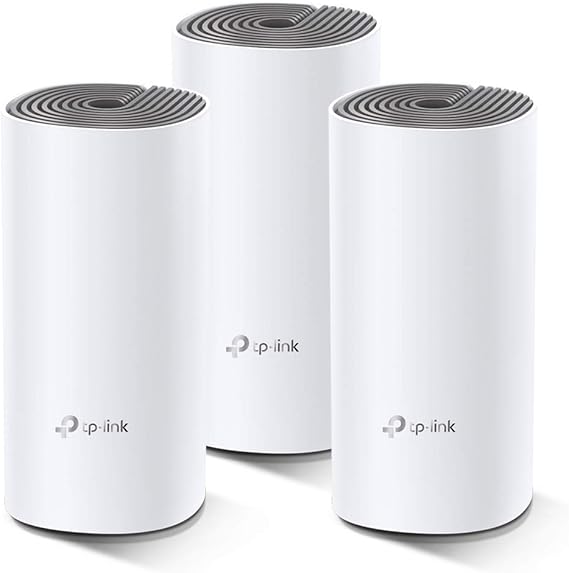
- Wi-Fi Mesh Systems: If your older home has thick walls that interfere with Wi-Fi signals, a mesh Wi-Fi system can help ensure stable internet connectivity throughout the home. This is crucial for supporting all your smart devices.
- Battery-Powered Smart Sensors: Consider battery-operated sensors for doors, windows, and motion detection. These can be placed anywhere without the need for hardwiring.

3. Focus on Energy Efficiency
Older homes are often less energy-efficient, but smart technology can help mitigate this. While a full HVAC overhaul might be out of reach, small changes can make a big impact.
- Smart Thermostats: Even without a modern HVAC system, a smart thermostat can help you manage your energy use more efficiently. Models like the Nest Learning Thermostat can work with many older systems and provide significant savings over time.
- Smart Power Strips: Use these to monitor and reduce the energy consumption of older appliances that might be less efficient than their modern counterparts.


4. Use Voice Assistants for Centralized Control
A smart speaker like Amazon Echo or Google Nest Hub can serve as the control center for your smart home. You can connect it to a wide range of smart devices, allowing you to manage everything with simple voice commands, without the need for extensive rewiring.
- Integration: Choose devices that are compatible with your preferred voice assistant to ensure seamless control of your smart home system.
5. Smart Security Solutions
If you’re concerned about the security of your older home but don’t want to alter its structure, consider smart security devices that are easy to install and non-intrusive.
- Smart Doorbells: These can be installed with minimal drilling and wiring. They provide video surveillance and remote access to your front door without requiring extensive installation work.
- Wireless Cameras: Battery-operated or solar-powered security cameras can be installed around your property without needing to run wires, making them perfect for older homes.
6. Preserve the Character of Your Home
One of the biggest concerns for owners of older homes is maintaining the original aesthetic and character. When choosing smart devices, look for options that blend in with the style of your home.
- Hidden or Discreet Devices: Opt for products with minimalistic designs or those that can be hidden within existing elements like bookshelves or mantels.
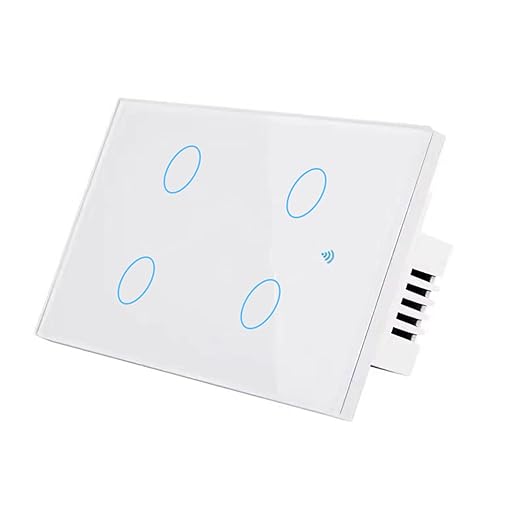
- Smart Light Switches and Dimmers: Choose smart switches that match the vintage look of your home’s current switches, allowing you to retain the aesthetic while upgrading the functionality.


7. Avoid Overloading Electrical Systems
Older homes might not have the electrical capacity to support a large number of devices. Be mindful of how many smart gadgets you add to each circuit.
- Smart Surge Protectors: Use these to prevent overloading circuits and protect your devices from power surges. They also provide the benefit of remote control over the plugged-in devices.

As smart home technology becomes more advanced and accessible, its impact on interior design will only grow.
By carefully planning and integrating smart features, you can create a home that is not only beautiful but also more functional and future-ready.
So, whether you’re renovating or building new, make sure to consider how smart home technology can elevate your living space.
Incorporating smart technology into your home is more than just keeping up with trends – it’s about enhancing the way you live and interact with your space.
With thoughtful integration, you can create a home that’s not only stylish but also smart and efficient.

Did you know that working with an interior designer comes with special supplier discounts? Here’s a treat for you! Get an exclusive discount on bathware and kitchen products at The Blue Space using this link.


Great insights! Your detailed guide on integrating smart home tech with interior design highlights the perfect blend of innovation and aesthetics.
Thank you so much!